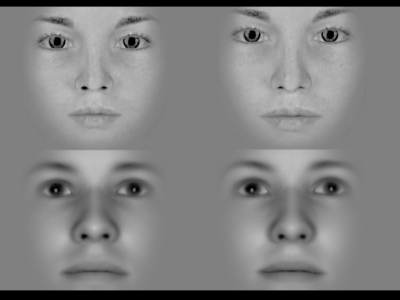
Are Groovy Brains More Efficient?

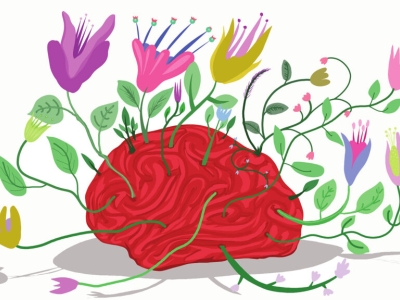
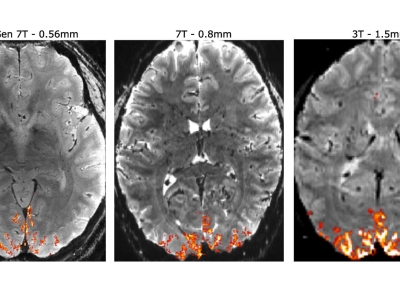
A new study finds that the depth of small grooves in the brain's surface is linked to stronger network connectivity and better reasoning ability.

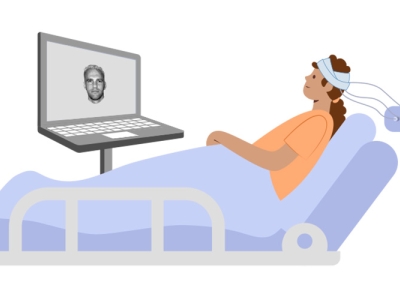
Can Computers Speak for Us?

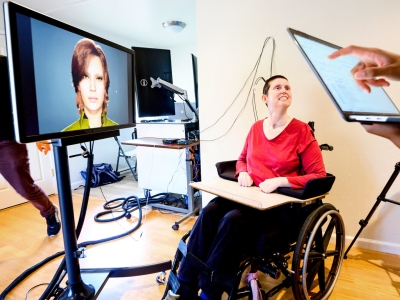
Gopala Anumanchipalli, a 2021 Rose Hills Innovator, is engineering systems that can give people with disease and disability a new way to talk.

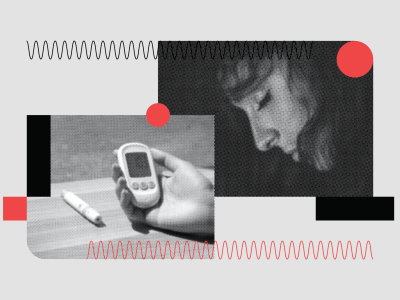
Food Insecurity Has Lasting Impacts on the Brains and Behavior of Mice

While food insecurity is a problem for a growing segment of the U.S. population — made even worse by the coronavirus pandemic — few studies have looked at the effect that feast or famine has on the developing brain in isolation from other factors that contribute to adversity. A new study by neuroscientists at the University of California, Berkeley, simulated the effects of food insecurity in juvenile mice and found lasting changes later in life.

Berkeley Talks: How We Learn Language Across Communities and Cultures

In Berkeley Talks episode 149, Mahesh Srinivasan, an associate professor in UC Berkeley’s Department of Psychology, discusses the importance of child-directed speech in language learning, how poverty may suppress parents’ speech to their children and how children learn language from overheard speech.

Scientists Work to Unravel Mysteries of How Anxiety, PTSD Affect Brain

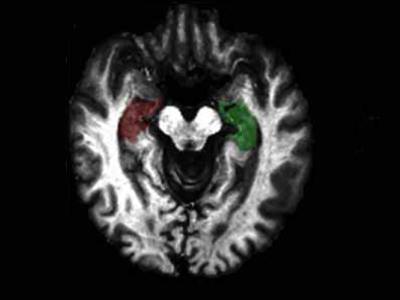
A group of Bay Area scientists have unraveled some surprising secrets about post-traumatic stress disorder or PTSD which one day could lead to better therapies and treatments. At UC Berkeley, neuroscientist Dr. Daniela Kaufer and now UCSF post-doc Kimberly Long — along with UCSF and San Francisco scientists Radiologist Dr. Linda Chao and Psychiatrist Dr. Thomas Neylan — may have provided a convincing reason why some people are resilient to trauma and others are susceptible. According to statistics, 70 percent of American adults experience at least one traumatic event in a lifetime. Twenty percent of those will develop PTSD, and their symptoms vary dramatically. In their research, the scientists made two important discoveries: that anxiety and traumatic stress are linked to increased myelin in a part of the brain where there is less myelin; and that where the increased myelin is found correlates to the particular symptom. For more on this, see our story at Berkeley News.

Anxiety and PTSD Linked to Increased Myelin in Brain

A recent study links anxiety behavior in rats, as well as post traumatic stress disorder (PTSD) in military veterans, to increased myelin — a substance that expedites communication between neurons — in areas of the brain associated with emotions and memory.

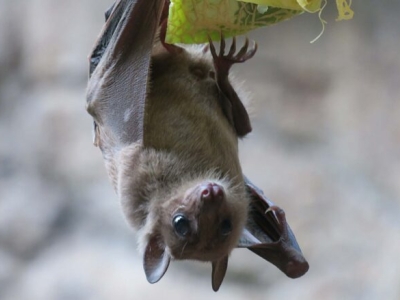
Bat Study Reveals Secrets of the Social Brain

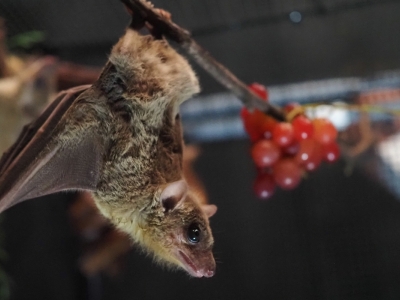
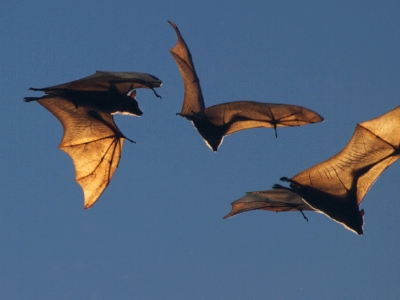
Whether chatting with friends at a dinner party or managing a high-stakes meeting at work, communicating with others in a group requires a complex set of mental tasks. Our brains must track who is speaking and what is being said, as well as what our relationship to that person may be — because, after all, we probably give the opinion of our best friend more weight than that of a complete stranger. A study published today in the journal Science provides the first glimpse into how the brains of social mammals process these types of complex group interactions.

Neuroscientists roll out first comprehensive atlas of brain cells

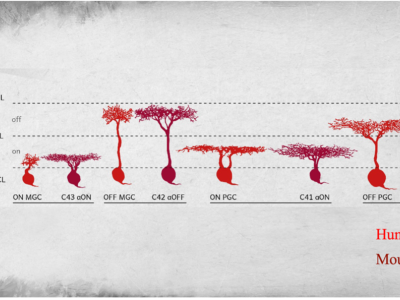
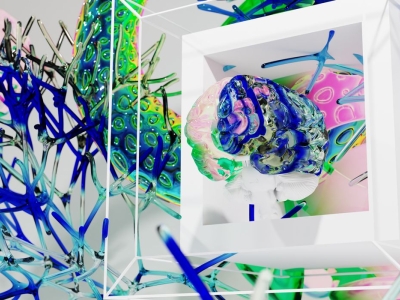
When you clicked to read this story, a band of cells across the top of your brain sent signals down your spine and out to your hand to tell the muscles in your index finger to press down with just the right amount of pressure to activate your mouse or track pad. A slew of new studies now shows that the area of the brain responsible for initiating this action — the primary motor cortex, which controls movement — has as many as 116 different types of cells that work together to make this happen.

Rats prefer to help their own kind. Humans may be similarly wired

A decade after scientists discovered that lab rats will rescue a fellow rat in distress, but not a rat they consider an outsider, new UC Berkeley research pinpoints the brain regions that drive rats to prioritize their nearest and dearest in times of crisis. It also suggests humans may share the same neural bias.

Bats' brains are built for navigation

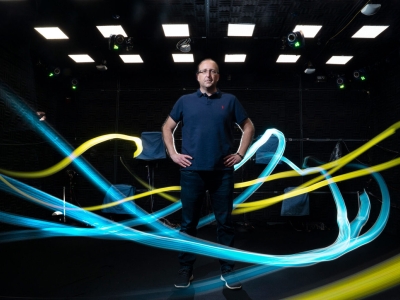
More than a thousand species use echolocation, but after billions of years of evolution, bats' brains are especially well optimized for navigation. A new paper released today in Science suggests that as bats fly, special neurons known as place cells—located in their hippocampus, a part of the brain that controls memory—helps them process key navigational information about their position not only in the moment but in the past and future as well. Using a combination of wireless neural data loggers and a motion-tracking system made of 16 cameras, Nicholas Dotson, a project scientist at the Salk Institute and the lead author of the study and his coauthor Michael Yartsev, a professor of neurobiology and engineering at UC Berkeley, observed six Egyptian fruit bats in two experiments meant to record bursts of neural activity. For more on this, see our press release at Berkeley News.