Ishi’s life and legacy
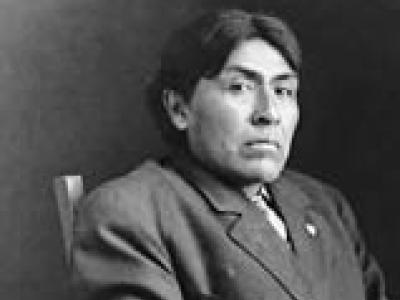
Mari Lyn Salvador, director of UC Berkeley’s Phoebe A. Hearst Museum of Anthropology, answers questions about “A Century of Ishi,” a Sept. 8 conference about one of the most well-known American Indians of the past 100 years.

Mari Lyn Salvador, director of UC Berkeley’s Phoebe A. Hearst Museum of Anthropology, answers questions about “A Century of Ishi,” a Sept. 8 conference about one of the most well-known American Indians of the past 100 years.
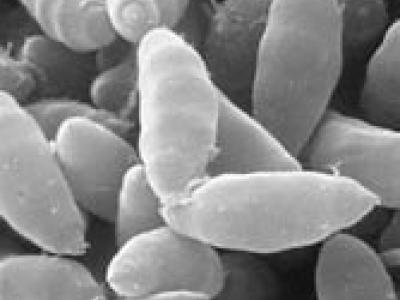
California has emerged as the top suspect as the source of a pathogen responsible for a global pandemic of cypress canker disease. The genetic detective work by researchers at UC Berkeley and in Italy spotlights the hazards of planting trees and other vegetation in regions where they are not native.
African American activists have long recognized the potential power of visual imagery to advance their quest for self-determination. Faculty member Leigh Raiford, in a new book, explores the role of photography in the black freedom struggle — from the heyday of the white lynch mob to the Civil Rights movement and the Black Power era.
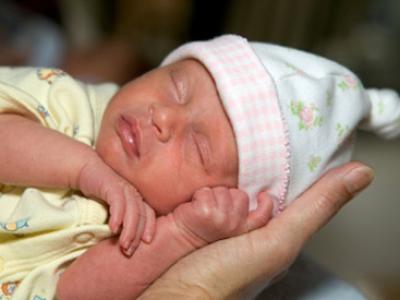
A new study led by UC Berkeley researchers links prenatal exposure to flame retardant chemicals commonly found in homes to lower birthweight babies. For every tenfold increase in levels of PBDEs in a mother’s blood during pregnancy, there was a corresponding drop of 115 grams in her baby’s birthweight, the study found.
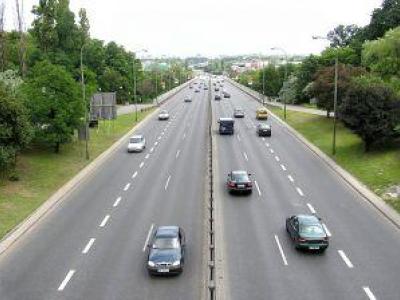
Prof-led team's project lets cars communicate with each other.
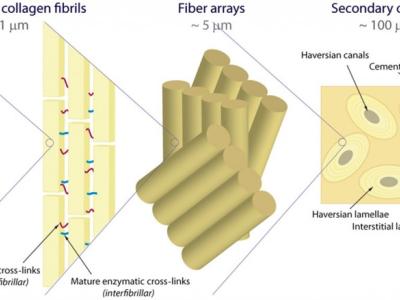
Berkeley Researchers Show How Loss of Bone Quality Also a Major Factor
UC Berkeley’s Center for Buddhist Studies has awarded the 2011 Toshihide Numata Book Prize to Todd Lewis and Subarna Man Tuladhar for their book about the epic poem about the life of Buddha by Nepalese poet Chittadhar Hridaya.
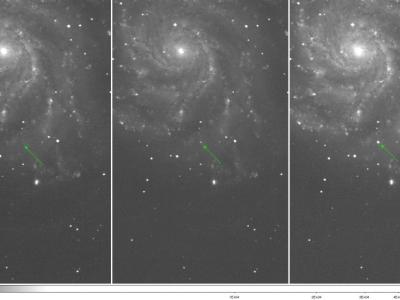
Skywatchers should get their binoculars and telescopes ready. Scientists at UC Berkeley and Berkeley Lab caught a supernova soon after its explosion. The supernova, located in the Big Dipper constellation, is appearing brighter than any other supernova of its type in the last 30 years. Earthlings might even be able to see it with good binoculars in 10 days’ time.
UC Berkeley is leading an effort to take information on the vertebrate collections in museums around the world and store it in the cloud for easy use by researchers and citizen scientists alike.