Berkeley Law-UCLA Report Shows How Farms Can Lower Emissions
Genome sequenced for amoeba that flips into free-swimming cell
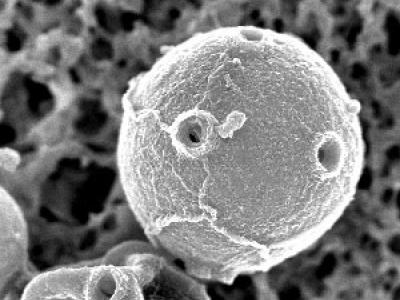
Scientists have sequenced the genome of a weird creature that exists as an amoeba until the food runs out, then turns into a two-tailed swimmer to find new hunting grounds. The organism, called Naegleria, is an early eurkaryote ? a cell with a nucleus and internal organs ? and could shed light on the origin of complex cells like those in humans.
Pesticide atrazine can turn male frogs into females
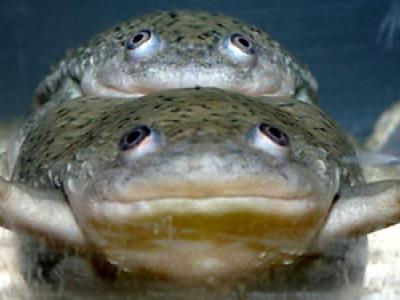
The herbicide atrazine, one of the world's most widely used pesticides, screws up the sex lives of adult male frogs, emasculating three-quarters of them and turning one in 10 into females, according to a new study by UC Berkeley's Tyrone Hayes.
NSF awards $24.5 million for center to stem increase of electronics power draw
An afternoon nap markedly boosts the brain's learning capacity
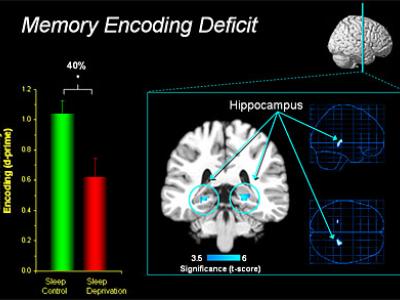
If you see a student dozing in the library or a co-worker catching 40 winks in her cubicle, don’t roll your eyes. New research from UC Berkeley shows that an hour’s nap can dramatically boost and restore your brainpower. Indeed, the findings suggest that a biphasic sleep schedule not only refreshes the mind, but can make you smarter.
Images of extrasolar planets win award for most outstanding papers in Science
The first image of an extrasolar planet has won UC Berkeley astronomers and their team of planetary paparazzi the 2009 Newcomb Cleveland Prize of the American Association for the Advancement of Science for the most outstanding paper published in the journal Science.
Six young faculty members to receive $50,000 Sloan Research Fellowships
Music Groups Transcend Politics in the Middle East
Berkeley ethnomusicologist Ben Brinner traveled to Israel and the West Bank to study the lives of Palestinian musicians. He found the coalescing of a new musical scene, a creative response by both Palestinian and Israeli musicians to the musical and political circumstances of their region.
Speaking About the Way We Speak
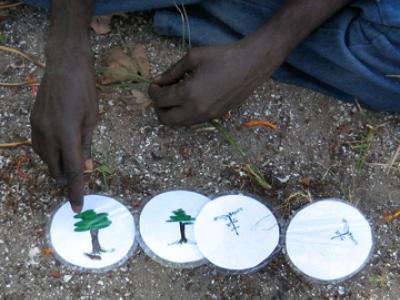
Does the language we speak influence the way we think? Alice Gaby, a professor of linguistics at Berkeley, became particularly interested in this question as she studied an Aborignal language.