

Research Bio
Andreas Stahl is the Ruth Okey Chair and Professor in the Metabolic Biology and Nutrition. The overarching goal of the Stahl laboratory is to advance human health by engineering solutions for obesity-related disorders such as Type-2 Diabetes Mellitus (T2DM) and Metabolic Dysfunction-Associated Steatotic Liver Disease (MASLD). To this end, Dr. Stahl is investigating molecular mechanisms governing lipid uptake, particularly for fatty acids and CoQ, mitochondrial function, hepatobiliary diseases, and adipocyte biology. He has been pioneering investigations into the role of biomechanical forces in brown adipose tissue (BAT) activation and is working on novel lipid nanoparticle-based approaches to expand and activate BAT. Further, Dr. Stahl’s lab is developing New Approach Methodologies (NAM) based on human induced pluripotent stem cell derived microphysiological systems, aka organ-on-a-chip devices, particularly for the functional interrogation of the fat-liver axis. The lab’s current focus with these NAMs is to facilitate the assessment of biological mechanisms, such as aging, and diseases, including T2DM and MASLD, as well as testing of pharmacological intervention strategies, in the context of human relevant preclinical models.
Dr. Stahl is a member of QB3-Berkeley and the UC Berkeley-UCSF Graduate Program in Bioengineering as well as the Chair of the Metabolic Biology Graduate Program. At Berkeley, he teaches and mentors students in metabolic biology and its connections to human diseases.
Research Expertise and Interest
metabolism, obesity, adipose tissue, brown fat, thermogenesis, diabetes, fatty acid transport, fatty acid, stem cells, microphysiological systems, lipid nanoparticles, liver disease
In the News

Brown Fat Flexes Its Muscle to Burn Energy -- and Calories

Smelling Your Food Makes You Fat
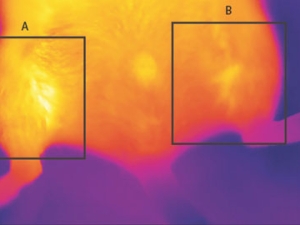
Engineered Hot Fat Implants Reduce Weight Gain in Mice
Scientists at UC Berkeley have developed a novel way to engineer the growth and expansion of energy-burning “good” fat, and then found that this fat helped reduce weight gain and lower blood glucose levels in mice.

Grapefruit Juice Stems Weight Gain in Mice Fed a High-Fat Diet
Fad diets come and go, but might there be something to the ones that involve consuming grapefruit and grapefruit juice? New research found that mice fed a high-fat diet gained less weight when they drank grapefruit juice instead of water.
Fatty-Liver Disease Discovery Promises New Treatments for Diabetes, Other Problems
Two types of naturally produced substances — one of them a bear bile acid — reduce the uptake of fat by the liver, opening the door to the development of new treatments for fatty liver disease and type 2 diabetes, according to a new study by researchers at UC Berkeley.