
Research Bio
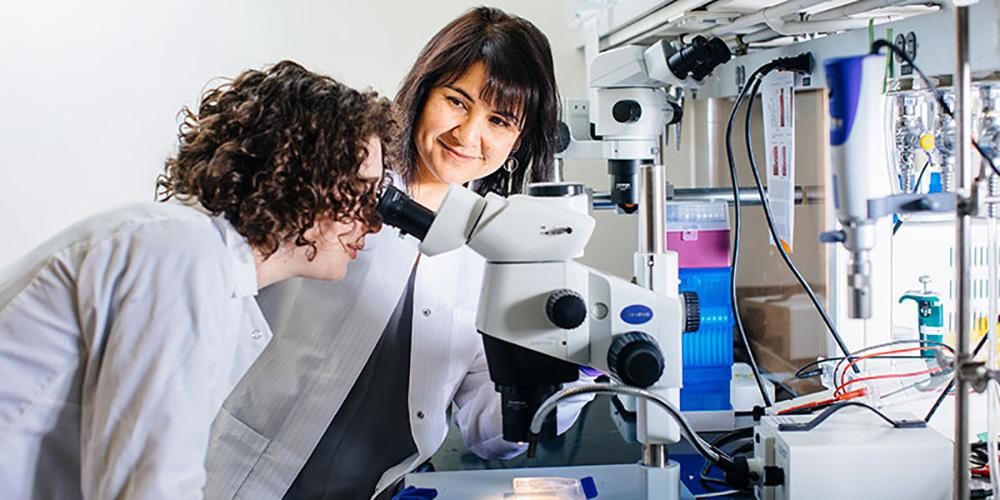
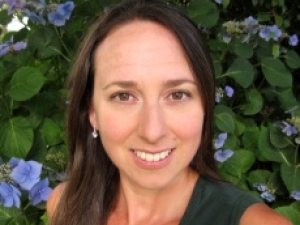
Diana Bautista PhD is a professor of Cell and Developmental Biology and a Howard Hughes Medical Institute Investigator.
Professor Bautista & Professor Ellen Lumpkin co-run the Somatosensory, Epithelial, Neuroimmune Sciences Lab (SENse Lab @UC Berkeley): https://bautistalab.weebly.com/
The Bautista lab aims to decipher the neuroimmune interactions driving chronic itch, pain, and airway inflammation. Specifically, Bautista and her team are investigating the molecular and cellular mechanisms by which sensory neuron, airway epithelial cell, and immune cell interactions become dysregulated following injury, atopic disease, and infection. Their work involves studying clinically relevant disease models of skin and airway inflammation, including human and mouse models of airway inflammation and respiratory stress caused by inflammatory mediators and viral infection. The team’s use of multiple models and multiple species will allow them to pursue the goal of defining a mechanistic framework for neuroimmune crosstalk in the development of inflammatory disease states.
Research Expertise and Interest
ion channels, sensory physiology, chemosensation, touch, thermosensation, somatosensory system, itch
In the News

Seven Faculty Named Fellows of American Association for the Advancement of Science
Three new investigators named by Howard Hughes Medical Institute
Scientists pivot to COVID-19 research, hoping for quick results to deal with pandemic
Blocking nerve cells could halt symptoms of eczema
Some 10 percent of the population suffers from eczema at some point in their lives. The chronic skin condition, for which there are no cures or good treatments, causes symptoms ranging from dry, flaky and itchy skin to flaming red rashes and, particularly in children, nasal allergies and asthma.
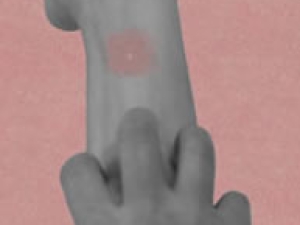
Pain and itch connected down deep
A new study of itch adds to growing evidence that the chemical signals that make us want to scratch are the same signals that make us wince in pain.
Three UC Berkeley researchers receive NIH 'innovator' awards
Three UC Berkeley faculty members - Diana Bautista, Amy Herr and Donald Rio - have been singled out as innovators by the National Institutes of Health and will receive special grants designed to fund "transformative research" that could lead to major advances in medical science.
Teaching
Supervised Independent Study and Research [MCELLBI 199]
Research Review in Cell & Dev Bio: Molecular Mechanisms of Transduction in Touch and Pain Receptors [MCELLBI 239V]
Research [MCELLBI 292]
Supervised Independent Study [MCELLBI 99]
Honors Research [MCELLBI H196A]
Honors Research [MCELLBI H196B]
Neuroscience Graduate Research [NEU 292]
Neuroscience Research Review [NEU 295]
Physiology [MCELLBI 136]
Supervised Independent Study and Research [MCELLBI 199]
Advanced Mammalian Physiology [MCELLBI 236]
Research Review in Cell & Dev Bio: Molecular Mechanisms of Transduction in Touch and Pain Receptors [MCELLBI 239V]
Research [MCELLBI 292]
Supervised Independent Study [MCELLBI 99]
Honors Research [MCELLBI H196A]
Honors Research [MCELLBI H196B]
Neuroscience Graduate Research [NEU 292]
Neuroscience Research Review [NEU 295]
Supervised Independent Study and Research [MCELLBI 199]
Supervised Independent Study and Research [MCELLBI 199]
Research Review in Cell & Dev Bio: Molecular Mechanisms of Transduction in Touch and Pain Receptors [MCELLBI 239V]
Research [MCELLBI 292]
Supervised Independent Study [MCELLBI 99]
Honors Research [MCELLBI H196A]
Honors Research [MCELLBI H196B]
Neuroscience Graduate Research [NEU 292]
Neuroscience Research Review [NEU 295]