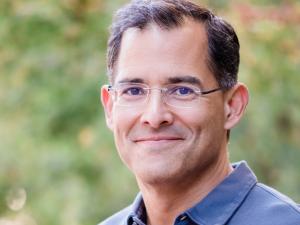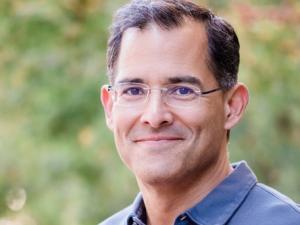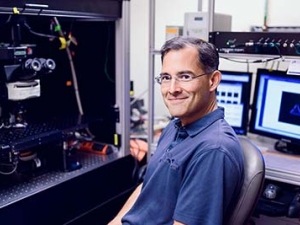
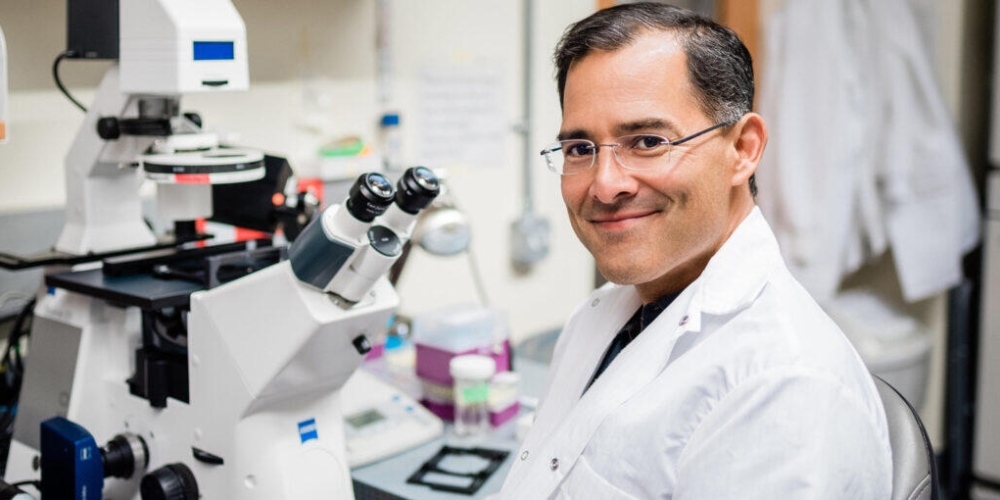
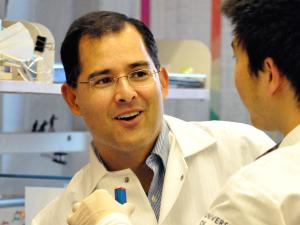
David Schaffer in lab

Research Bio

David Schaffer's research program employs molecular and cellular engineering approaches to investigate biomedical problems. In particular, their lab focuses on the related areas of gene therapy, genome editing, and stem cell bioengineering, with applications to diseases of the nervous system and other tissues.  They are using high throughput protein engineering approaches to engineer safe, targeted viral gene delivery vehicles for gene therapy, and technologies developed in their lab are in numerous human clinical trials.  Furthermore, they are developing novel technologies to investigate and better control the behavior of stem cells, both to advance basic biological knowledge of the development and function of the nervous system and to engineer stem cell based therapies to treat neurodegenerative disease.

Research Expertise and Interest

biomolecular engineering, bioengineering, neuroscience, stem cell biology, gene therapy

In the News

David Schaffer: Research That Takes Risks Must be Supported

David Schaffer remembers sitting on his father’s lap as a child, curiously delving into science books and crafting mnemonic phrases that instilled in him the building blocks of biology. Recently, Schaffer was appointed the new executive director of QB3, a UC-systemwide group that supports California entrepreneurship. Schaffer also leads the Bakar BioEnginuity Hub, which will hold 50 new biotechnology startup companies supported by the Bakar Labs incubator, and he directs Berkeley’s Bakar Fellows Program, a funding incubator that accelerates the application of discovery research.

QB3 Welcomes David Schaffer as Its New Executive Director
David Schaffer, PhD, a University of California, Berkeley professor of chemical and biomolecular engineering, bioengineering, and molecular and cell biology, has been appointed the next executive director of QB3, the institute announced today.

Berkeley’s Bakar BioEnginuity Hub Opens Its Doors
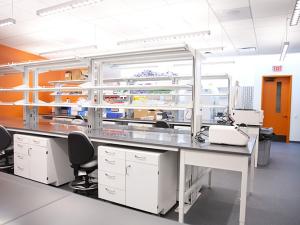
UC Berkeley’s campus community this week celebrated the grand opening of the Bakar BioEnginuity Hub (BBH), the campus’s bold new home for research and innovation. After two years of seismic upgrades and renovations, BBH celebrated its opening this month. Bakar Labs, the facility’s flagship life sciences incubator, has been operational since mid-November, offering space to tenant companies.

David Schaffer named Acrivos Professional Progress Award recipient

This fall, ChEnected is introducing readers to the recipients of AIChE’s 2020 Institute and Board of Directors’ Awards, which are AIChE’s highest honors. Recipients are nominated by the chemical engineering community and voted on by the members of AIChE’s volunteer-led Awards Committee. These awards recognize outstanding achievements and world-class contributions across a spectrum of chemical engineering endeavors. 

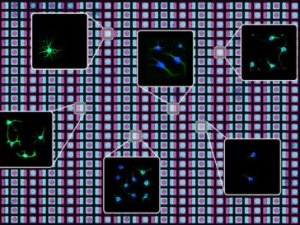
New technique ‘prints’ cells to create diverse biological environments

Like humans, cells are easily influenced by peer pressure. Take a neural stem cell in the brain: Whether this cell remains a stem cell or differentiates into a fully formed brain cell is ultimately determined by a complex set of molecular messages the cell receives from countless neighbors. Understanding these messages is key for scientists hoping to harness these stem cells to treat neurological conditions like Alzheimer’s or Parkinson’s.

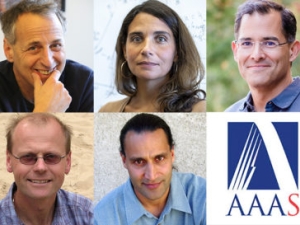
Five Berkeley faculty members elected fellows of the AAAS

Five Berkeley faculty members have been named fellows of the American Association for the Advancement of Science (AAAS), an honor bestowed upon the society’s members by their peers. The five are among 443 members awarded the honor because of their scientifically or socially distinguished efforts to advance science or its applications. Founded in 1848, the AAAS is the world’s largest general scientific society and publisher of Science and five other journals.

Gene Therapy gets a Boost

With support from the Bakar Fellows Program, David Schaffer is working on one of the first gene therapies to be approved for clinical use. The therapy acts to restore vision in children with a rare and previously incurable disease called Leber's congenital amaurosis type 2.

Five innovators join the ranks of the Bakar Fellows

Five UC Berkeley faculty innovators have been selected for the Bakar Fellows Program, which supports faculty working to apply scientific discoveries to real-world issues in the fields of engineering, computer science, chemistry and biological and physical sciences.

Drug Perks Up Old Muscles and Aging Brains

UC Berkeley researchers have discovered that a small-molecule drug simultaneously perks up old stem cells in the brains and muscles of mice, a finding that could lead to drug interventions for humans that would make aging tissues throughout the body act young again.
“Intelligent Design” Can It Deliver?

Rather than trying to quiet the body’s defenses against viruses, David Schaffer has favored a kind of intelligent design approach to modify the virus. Known as directed evolution, the strategy uses genetic engineering to find variations in the virus that will allow it to effectively deliver drugs to target cells.

Researchers develop easy and effective therapy to restore sight

Researchers at UC Berkeley have developed an easier and more effective method for inserting genes into eye cells that could greatly expand gene therapy to help restore sight to patients with blinding diseases ranging from inherited defects like retinitis pigmentosa to degenerative illnesses of old age, such as macular degeneration.

Featured in the Media

Please note: The views and opinions expressed in these articles are those of the authors and do not necessarily reflect the official policy or positions of UC Berkeley.
October 3, 2019
Ron Leuty
4D Molecular Therapeutics, Inc., a gene-therapy startup spun out of Berkeley research by chemical and biomolecular engineering professor David Schaffer and adjunct bioengineering professor David Kirn, aims to raise $100 million in its initial public offering. The company, with 57 employees, engineers "viral vectors" -- the protein shells on which viruses ride through the body -- that have been cleaned of their disease-causing viruses and then harnessed to replace mutated genes with correct versions. The company has already established partnerships with Roche, AstraZeneca PLC, and uniQure NV, and it has raised more than $100 million in venture capital.
FullStory (*requires registration)

Teaching

Courses taught during the three most recent terms
2026 Spring
  • Undergraduate Design Research  [BIOENG 196]  

  • Supervised Independent Study  [BIOENG 199]  

  • Individual Study or Research  [BIOENG 299]  

  • Supervised Independent Study and Research  [BIOENG 99]  

  • Honors Undergraduate Research  [BIOENG H194]  

  • Seminars for Graduate Students  [CHEM 298]  

  • Research for Graduate Students  [CHEM 299]  

  • Special Laboratory Study  [CHMENG 196]  

  • Seminar in Chemical Engineering  [CHMENG 298]  

  • Research in Chemical Engineering  [CHMENG 299]  

  • Professional Preparation: Supervised Teaching of Chemical Engineering  [CHMENG 300]  

  • Individual Studies for Graduate Students  [CHMENG 602]  

  • Senior Honors Thesis  [CHMENG H193]  

  • Research for Advanced Undergraduates  [CHMENG H194]  

  • Supervised Independent Study and Research  [MCELLBI 199]  

  • Research Review in Neurobiology: Stem Cells and Gene Therapy in the Nervous System  [MCELLBI 269I]  

  • Research  [MCELLBI 292]  

  • Supervised Independent Study  [MCELLBI 99]  

  • Honors Research  [MCELLBI H196A]  

  • Honors Research  [MCELLBI H196B]  

  • Graduate Research  [PLANTBI 299]  

2025 Fall
  • Undergraduate Design Research  [BIOENG 196]  

  • Supervised Independent Study  [BIOENG 199]  

  • Group Studies, Seminars, or Group Research  [BIOENG 298]  

  • Individual Study or Research  [BIOENG 299]  

  • Supervised Independent Study and Research  [BIOENG 99]  

  • Honors Undergraduate Research  [BIOENG H194]  

  • Seminars for Graduate Students  [CHEM 298]  

  • Research for Graduate Students  [CHEM 299]  

  • Special Laboratory Study  [CHMENG 196]  

  • Seminar in Chemical Engineering  [CHMENG 298]  

  • Research in Chemical Engineering  [CHMENG 299]  

  • Professional Preparation: Supervised Teaching of Chemical Engineering  [CHMENG 300]  

  • Individual Studies for Graduate Students  [CHMENG 602]  

  • Senior Honors Thesis  [CHMENG H193]  

  • Research for Advanced Undergraduates  [CHMENG H194]  

  • Supervised Independent Study and Research  [INTEGBI 99]  

  • Supervised Independent Study and Research  [MCELLBI 199]  

  • Research Review in Neurobiology: Stem Cells and Gene Therapy in the Nervous System  [MCELLBI 269I]  

  • Research  [MCELLBI 292]  

  • Honors Research  [MCELLBI H196A]  

  • Honors Research  [MCELLBI H196B]  

  • Graduate Research  [PLANTBI 299]  

2025 Summer
  • Individual Study or Research  [BIOENG 299]  

  • Special Laboratory Study  [CHMENG 196]  

  • Research for Advanced Undergraduates  [CHMENG H194]  

2025 Spring
  • Undergraduate Design Research  [BIOENG 196]  

  • Supervised Independent Study  [BIOENG 199]  

  • Individual Study or Research  [BIOENG 299]  

  • Supervised Independent Study and Research  [BIOENG 99]  

  • Honors Undergraduate Research  [BIOENG H194]  

  • Seminars for Graduate Students  [CHEM 298]  

  • Research for Graduate Students  [CHEM 299]  

  • Special Laboratory Study  [CHMENG 196]  

  • Seminar in Chemical Engineering  [CHMENG 298]  

  • Research in Chemical Engineering  [CHMENG 299]  

  • Professional Preparation: Supervised Teaching of Chemical Engineering  [CHMENG 300]  

  • Individual Studies for Graduate Students  [CHMENG 602]  

  • Senior Honors Thesis  [CHMENG H193]  

  • Research for Advanced Undergraduates  [CHMENG H194]  

  • Supervised Independent Study and Research  [MCELLBI 199]  

  • Research Review in Neurobiology: Stem Cells and Gene Therapy in the Nervous System  [MCELLBI 269I]  

  • Research  [MCELLBI 292]  

  • Supervised Independent Study  [MCELLBI 99]  

  • Honors Research  [MCELLBI H196A]  

  • Honors Research  [MCELLBI H196B]  

  • Graduate Research  [PLANTBI 299]