
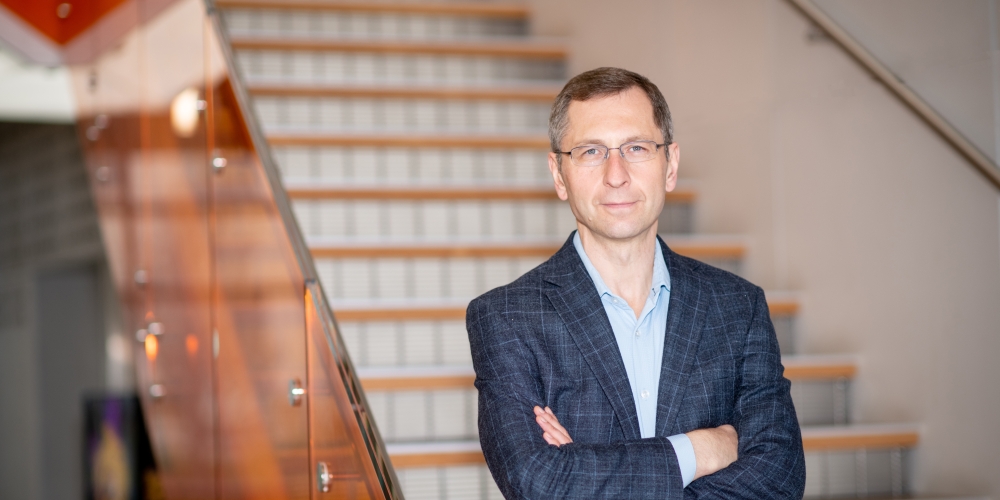
Research Bio
Fyodor Urnov is a Professor of Molecular Therapeutics in the MCB Department and Director for Therapeutic R&D at its Innovative Genomics Institute (IGI). He co-developed the toolbox of human genome and epigenome editing, co-named genome editing, and was on the team that advanced all of its first-in-human applications to the clinic. A major goal for the field of genome editing and a key focus of Fyodor's work is expanding access to CRISPR therapies for genetic disease. As part of that effort Fyodor directs the Danaher-IGI Beacon for CRISPR Cures - a first-in-class academia-industry partnership developing and advancing to the clinic CRISPR-based platform approaches to treat severe Mendelian diseases of the immune system. In May 2025 a paper in the New England Journal of Medicine described the world’s first on-demand engineered CRISPR therapy for a newborn with a severe metabolic disorder; Fyodor was the IGI lead of this 4-way collaboration between CHOP, Penn Medicine, Danaher, and the IGI that reduced key components of “CRISPR as a platform” approach to clinical practice. Fyodor also directs the newly established CZI-IGI Center for Pediatric CRISPR Cures that aims to expand the “CRISPR on-demand” approach exemplified in that effort to multiple additional pediatric patients with severe genetic diseases.
Research Expertise and Interest
CRISPR gene editing for clinical applications
In the News
Infant Born With Deadly Disease Now Thriving Thanks to Customized CRISPR Treatment

Campus lab takes COVID-19 testing to utility workers, underserved
UC Berkeley scientists spin up a robotic COVID-19 testing lab
Featured in the Media
“We have been moving in the direction of thinking about CRISPR as a platform for some years,” said Jennifer Doudna, a professor, Nobel laureate and founder of the Innovative Genomics Institute. The article also quotes Fyodor Urnov, a scientific director of the institute.
Scientists behind a world-first gene therapy — including Professor of Molecular Therapeutics Fyodor Urnov — reveal how they teamed up with experts across academia and industry to produce a drug from start to finish in just six months.
Fyodor Urnov is part of the team that worked on a novel, on-demand CRISPR theray to treat a newborn boy diagnosed at birth with a rare and potentially fatal genetic disease.
Fyodor Urnov, professor of molecular and cell biology and scientific director of technology and translation at the Innovative Genomics Institute, discusses the future of CRISPR-based cures.
Nobel laureate and Professor Jennifer Doudna will oversee the new center’s work alongside Fyodor Urnov, Doudna’s fellow Berkeley professor.
Teaching
Research Review in Molecular Therapeutics: Structure and Function of the Human Epigenome [MCELLBI 229L - 001]
Research [MCELLBI 292 - 459]
Therapeutics Discovery and Development [MCELLBI 120 - 001]
Research Review in Molecular Therapeutics: Structure and Function of the Human Epigenome [MCELLBI 229L - 001]
Research [MCELLBI 292 - 459]
Research Review in Molecular Therapeutics: Structure and Function of the Human Epigenome [MCELLBI 229L - 001]
Graduate Seminar [MCELLBI 290 - F01]
Research [MCELLBI 292 - 459]