
Research Bio
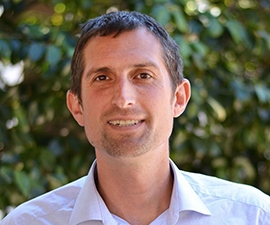
Professor Matthew D. Potts is the S.J. Hall Chair in Forest Economics and the Associate Director for Sustainable Development at the Blum Center for Developing Economics. Dr. Potts brings a wealth of knowledge and expertise to climate, biodiversity, and natural capital reporting and management, particularly in carbon removal and emerging climate tech. He has over two decades of experience in resource management issues in low- and middle-income countries and leads an interdisciplinary lab that focuses on biodiversity conservation, ecosystem services, forest restoration, and natural pathways for carbon sequestration. Dr. Potts recently served as a coordinating lead author on the Intergovernmental Platform on Biodiversity and Ecosystem Services Land Degradation and Restoration Assessment. Dr. Potts's impressive track record includes over 90 publications, numerous speaking engagements, and multiple advisory roles within the sustainability and environmental sector, as well as leadership on 21st century workforce transformation. He has helped launch two professional masters programs at UC Berkeley: the Masters of Development Engineering and the Masters of Climate Solutions. Dr. Potts received a B.S. from the University of Michigan and a Ph.D. in Applied Mathematics from Harvard University.
Research Expertise and Interest
carbon removal, climate change mitigation, nature based climate solutions, forest management, biofuels, plantation agriculture, land use planning, land use policy, biodiversity conservation, ecosystem services, tropical ecology, environmental economics, public impact research/scholarship, research practice partnership, community-based research partnerships
In the News

Reforestation is More Cost-Effective Than Previously Thought
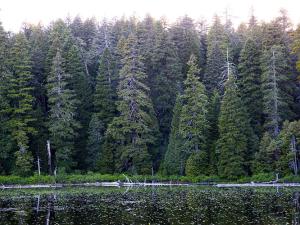
How Indigenous Burning Shaped the Klamath’s Forests for a Millennia
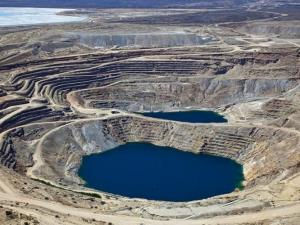
Land degradation pushing planet towards sixth mass extinction
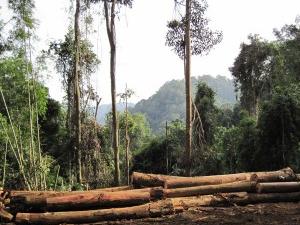
Persistent methodological flaw undermines biodiversity conservation in tropical forests
What is the role of logging in tropical forests? How is biodiversity affected by this logging? The answers differ and are controversial among ecologists, environmentalists, and policymakers, and these disagreements have implications for the conservation of biodiversity.